

Top 5 Insect Collection & Release Tools in the USA — 2025 Field-Tested Guide by Entomologists and Citizen Scientists for Safe, Neutral-Flow Capture
Published on Thursday, August 21, 2025
This category covers specialized tools such as aspirators (pooters), sweep nets, rearing cages and gentle release vials engineered for safe, contamination-free capture and non-contact release, with an emphasis on neutral-flow and quick-release mechanisms. These tools appeal across American markets — from university labs and government biodiversity programs to school classrooms and backyard naturalists — because they reduce handling stress on specimens, limit cross-contamination in ecological sampling, and are designed for the varied field conditions found across the USA. Buyers prioritize durability for seasonal use, low-maintenance materials that tolerate humidity and cold, ease of cleaning to meet biosecurity practices, portability for remote fieldwork, and humane release features that protect specimen integrity for research or educational observation.
Top Picks Summary
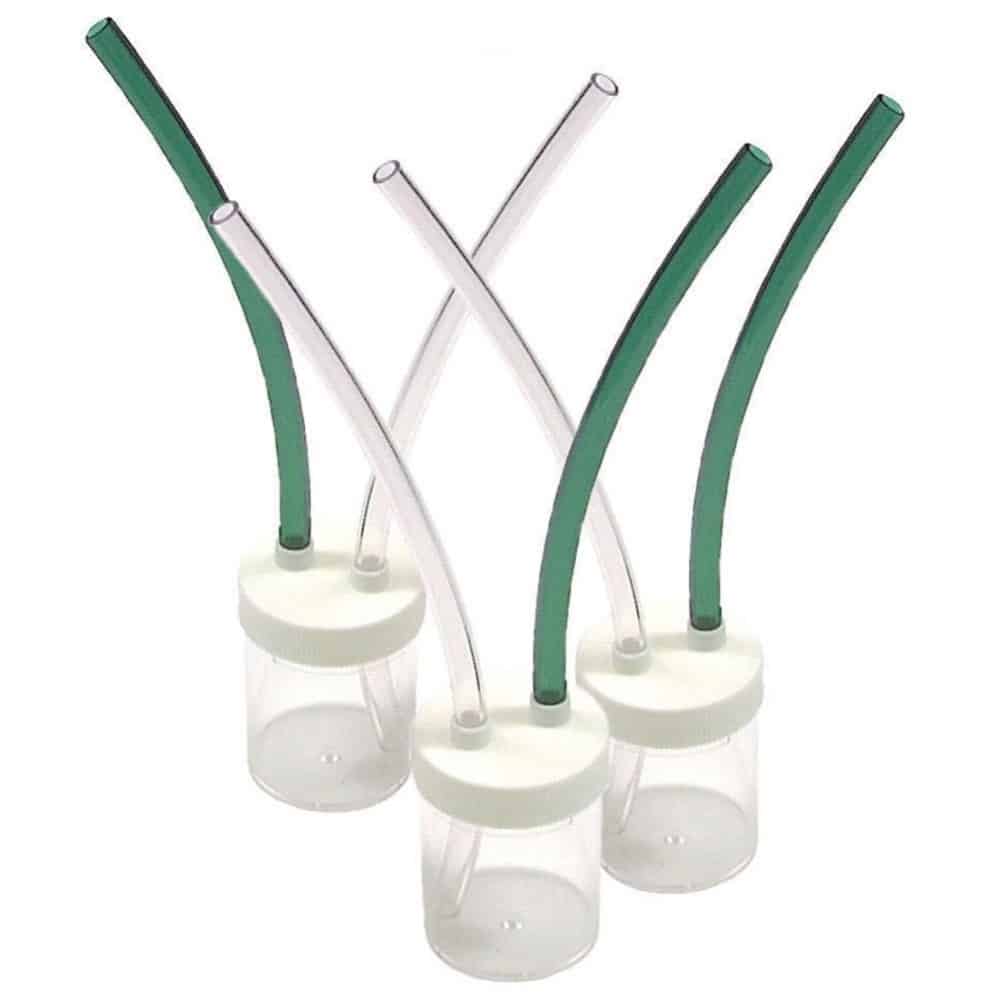
BioQuip Standard Pooter Aspirator
The BioQuip Standard Pooter Aspirator is a best-in-class handheld suction tool prized for precise, gentle collection of individual insects and delicate arthropods. It outshines bulk-capture options like sweep nets for targeted sampling and is more durable and cost-effective over time than disposable vial-only workflows, making it ideal for field collectors and taxonomic work that require careful release and minimal specimen damage.
Wildco Sweep Net Professional Series
The Wildco Sweep Net Professional Series is a market leader for active field sampling, offering a rugged frame and fine, long-lasting mesh that captures large numbers of insects efficiently across vegetation types. Compared with aspirators and small vials, its technical advantage is fast, large-area sampling for population surveys and biodiversity assessments, and it represents a strong value for teams that need high-throughput collection rather than single-specimen precision.

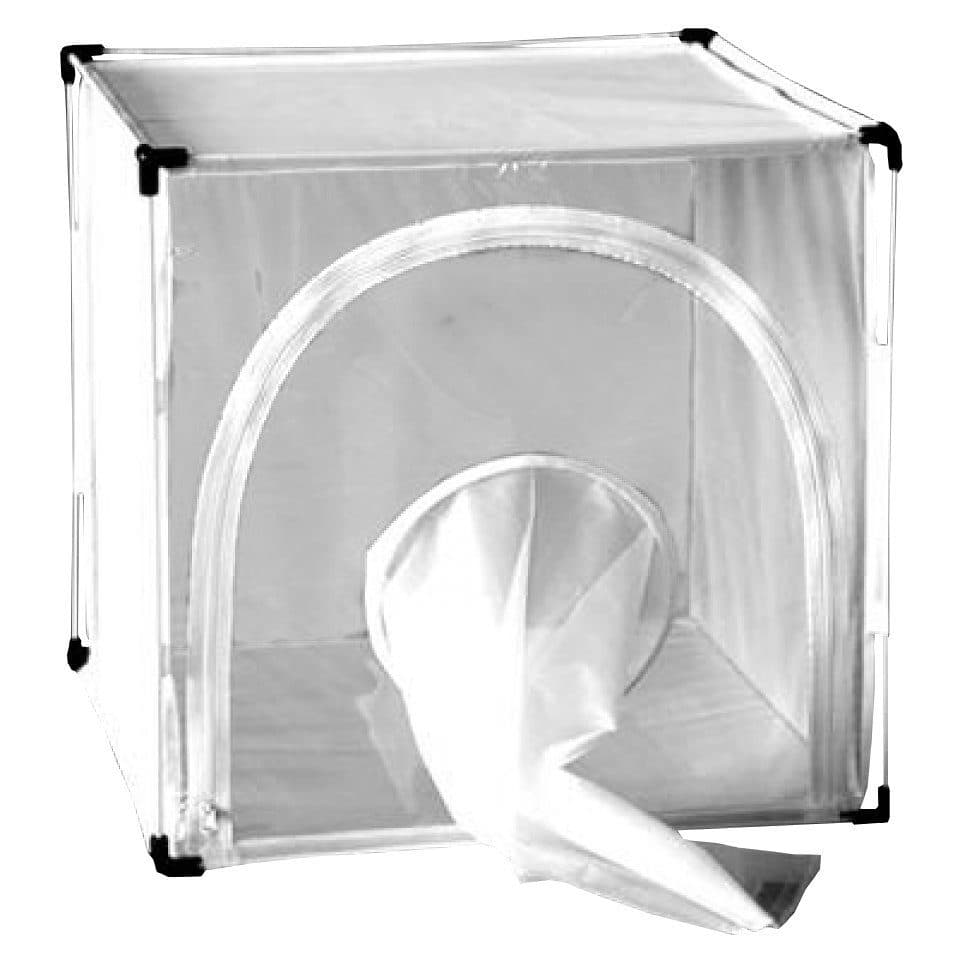
BugDorm Insect Rearing Cage BD4F4545
The BugDorm BD4F4545 rearing cage is optimized for containment, observation, and controlled release, providing fine mesh, modular panels, and easy-access ports that support long-term holding and experimental work. Though more expensive than simple aspirators or vials, its technical strengths in environmental control and specimen welfare make it the preferred choice when post-capture rearing, breeding, or staged releases are required in collection-and-release workflows.
Wards Science Insect Aspirator Collection Kit
The Wards Science Insect Aspirator Collection Kit packages a thoughtfully curated aspirator with accessories for education and field labs, delivering reliable suction performance and ready-to-use components at a school-friendly price. It competes with the BioQuip pooter by offering better turnkey value for classrooms and training programs, trading off some professional-grade durability for a more economical, all-in-one solution that simplifies procurement and sanitation between users.
Carolina Biological Supply Insect Catch and Release Vials
Carolina Biological Supply's Insect Catch and Release Vials are economical, clear, and labeled vials designed for short-term holding and safe transport of specimens between field capture and processing. They are the most cost-effective complement to aspirators and sweep nets for temporary containment and release, lacking the rearing capabilities of BugDorm cages but offering a low-cost per-unit solution for sorting, identification, and brief observation.
$15 – $40
What research and best practices say about gentle capture and release
Entomological methods and monitoring programs support the use of neutral-flow aspirators, fine-mesh sweep nets, dedicated rearing cages, and soft-release vials to minimize specimen injury and reduce contamination between collection events. Peer-reviewed field protocols and university lab guidelines emphasize low-suction aspirators for fragile insects, standardized sweep-net techniques for repeatable sampling, and ventilated rearing cages that maintain humidity and airflow for developmental studies. Applied research from insect ecology and conservation monitoring demonstrates that using purpose-built capture and release tools improves data quality and animal welfare compared with ad hoc methods like bare-hand capture or improvised containers.
Low-suction aspirators (pooters) reduce physical damage and internal trauma in small-bodied insects compared to direct forceps handling.
Standardized sweep-net methods produce more repeatable abundance and diversity estimates in vegetation surveys than random sweeping.
Ventilated rearing cages with modular panels help maintain microclimates for life-cycle observation and reduce escape and cross-contamination in lab and classroom settings.
Soft or quick-release vials and neutral-flow release mechanisms lower mortality and stress during release, improving post-release survival for mark-release-recapture and educational return-to-habitat uses.
Cleaning and decontamination protocols tied to these tools reduce the risk of spreading pathogens or non-native species between sampling sites, a priority in American monitoring and biosecurity.
Frequently Asked Questions
Which tool should I buy for single-insect capture?
Buy the BioQuip Standard Pooter Aspirator: it’s a lightweight handheld suction tool for precise, gentle collection of individual insects, with an easy-to-clean, durable design rated 4.6.
What exact filter setup does BioQuip Standard Pooter Aspirator use?
The BioQuip Standard Pooter Aspirator uses a simple glass vial with a replaceable mesh filter for safe suction of small insects.
Is Wildco Sweep Net Professional Series worth its price?
The Wildco Sweep Net Professional Series is priced at $29.95 and delivers a long, sturdy handle with a wide, fine-mesh bag plus removable mesh for easy cleaning; it’s rated 4.4.
Do BugDorm BD4F4545 rearing cages include front access?
Yes—BugDorm Insect Rearing Cage BD4F4545 includes front zipper access and internal removable trays to simplify feeding, observation, and cleaning; it’s rated 4.5.
Conclusion
In USA, where field conditions range from urban green spaces to boreal and coastal habitats, the right tool matters. The BioQuip Standard Pooter Aspirator offers a reliable, low-suction option for delicate captures; the Wildco Sweep Net Professional Series is built for consistent vegetation sampling; the BugDorm Insect Rearing Cage BD4F4545 supports controlled observation and rearing; the Wards Science Insect Aspirator Collection Kit provides an accessible kit solution for classrooms and starter labs; and the Carolina Biological Supply Insect Catch and Release Vials make quick, gentle transfers and non-contact releases easy. For most users balancing safety, portability and affordability, the BioQuip Standard Pooter Aspirator is the best overall choice on this page, while the others each serve clear niche needs. I hope you found what you were looking for — use the search to refine or expand your options by application, species target, or field conditions.