Top 3 Tents for Camping and Hiking in the USA for 2026
Published on Tuesday, June 2, 2026
The great American outdoors offers endless opportunities for adventure, and having the right tent is the foundation of any successful camping or hiking trip. In the USA, the tent market has evolved significantly by 2026, driven by a surge in both casual car camping and ultralight backpacking. Consumers are increasingly prioritizing weather resistance, rapid setup mechanisms, and sustainable materials. Whether you are exploring the rugged trails of the Pacific Northwest or enjoying a family weekend in a national park, modern tents provide the perfect balance of durability, ventilation, and lightweight portability. The appeal lies in the freedom to disconnect and immerse oneself in nature without sacrificing comfort and safety.
Top Picks Summary
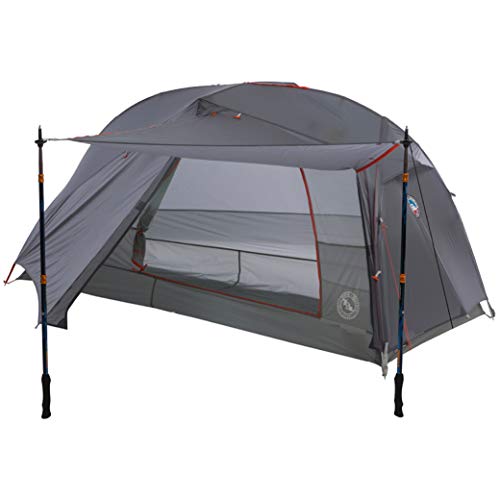
The Copper Spur HV UL1 is a best-in-class one-person backpacking tent because it balances ultralight performance with livable interior space and freestanding convenience, making it easier to pitch than many ultralight single-wall options. Compared with the lighter Nemo Hornet OSMO, it trades a few ounces for greater interior volume and multi-season versatility, and it often represents a strong value versus heavier, more rugged models like the MSR Hubba NX 1 when you want comfort on extended solo trips.
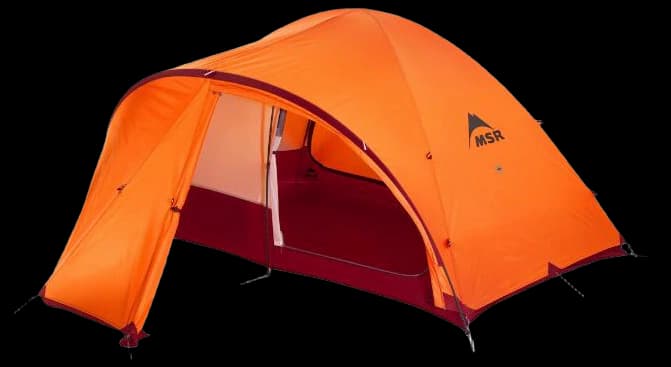
The MSR Remote 2 earns its best-in-class spot by balancing durable four-season performance with relatively light pack weight and a competitive price, making it a go-to for serious alpine mountaineering. Its geodesic design sheds snow and resists high winds better than many three-season options, while offering a more affordable and lighter alternative to premium models like the Hilleberg Jannu without sacrificing storm-proofing.
Heimplanet The Cave is positioned as the premium choice for inflatable dome tents thanks to its geodesic inflatable architecture and high-end technical fabrics that deliver exceptional stability in severe weather; compared with the other models here it prioritises longevity and high-performance materials over low cost. While it carries a higher MSRP, its superior wind resistance, repairability and resale value make it a sensible long-term investment for frequent or expedition-style inflatable camping rather than casual weekend use.

How to Choose the Perfect Tent for Your Next Adventure
The difference between a great tent and a mediocre one usually comes down to its weatherproofing capabilities and its space-to-weight ratio. You need to evaluate the hydrostatic head rating for rain protection and the pole architecture that dictates both interior volume and wind resistance.
Ignore generic season ratings and look directly at the hydrostatic head rating; a minimum of 1500mm is essential for reliable rain protection, while 3000mm or more is ideal for heavy storms.
Pay attention to the pole material and structure. Aluminum poles offer a superior strength-to-weight ratio compared to fiberglass, which is prone to snapping in high winds.
Self-identify your primary use case: if you are car camping, prioritize peak height and vertical walls for livability, but if you are backpacking, every ounce matters and you should look for a trail weight under three pounds per person.
Do not be fooled by maximum capacity numbers. A four-person tent typically fits four sleeping pads shoulder to shoulder with zero room for gear, so always size up by one person for comfortable camping.
Frequently Asked Questions
Which tent should I choose for solo backpacking trips?
The Big Agnes Copper Spur HV UL1 is the ideal choice for solo backpackers because it balances ultralight performance with a freestanding design and high-volume pole geometry that maximizes interior headroom.
Does the MSR Remote 2 handle heavy winter snow?
The MSR Remote 2 features a geodesic pole geometry specifically engineered to shed snow and provide structural stability during sustained high-wind and winter conditions.
Is the Heimplanet The Cave worth the 1049 dollar price?
At 1049 dollars, the Heimplanet The Cave provides a unique geodesic inflatable architecture that offers exceptional weather stability and rapid setup compared to traditional pole-based tents.
What is the average customer rating for these camping tents?
The Big Agnes Copper Spur HV UL1, MSR Remote 2, and Heimplanet The Cave all hold an identical average rating of 4.6 stars from users.
Conclusion
We hope this guide helps you navigate the diverse landscape of camping and hiking tents available across the USA. Finding the right shelter is the first step toward an unforgettable outdoor experience, whether you are heading to the mountains, deserts, or forests. If you have not quite found the perfect match for your specific trail needs, you can easily refine or expand your search using our search tools to explore more specialized options.