

Top 6 Smart Smoke Detectors in the USA for 2026
Published on Thursday, February 26, 2026
Smart smoke detectors are revolutionizing the way Americans protect their homes and loved ones. Unlike traditional smoke alarms, these devices leverage advanced sensors, network connectivity, and smartphone alerts to provide real-time warnings wherever you are. In the USA market, consumers favor smart detectors for their ability to detect multiple hazards (smoke and carbon monoxide), reduce false alarms through multi-sensor logic, deliver instant mobile notifications, and integrate with broader smart home systems such as Google Assistant, Amazon Alexa, and Z-Wave networks. Homeowners also value long battery life, automated self-testing, simple installation, and regular over-the-air updates for improved reliability. With fire risk ever-present, a smart detector that alerts you when you are away empowers faster response, reduces property damage risk, and gives families greater peace of mind.
Top Picks Summary
- Google Nest Protect (2nd Generation)
- First Alert Onelink Smart Smoke and Carbon Monoxide Alarm (SCO501CN)
- Kidde Smart Smoke and Carbon Monoxide Detector with Indoor Air Quality Monitor
- X-Sense Smart Smoke Detector (XS01-WX)
- Ring Alarm Smoke and CO Listener (2nd Generation)
- First Alert Z-Wave Smoke Detector and CO Alarm (ZCOMBO-G)
Google Nest Protect (2nd Generation)
Google Nest Protect (2nd Generation) is the market-leading smart smoke detector thanks to its polished user experience, split-spectrum sensor and tight Google Home integration. It justifies a premium price with advanced features such as voice alerts, proactive self-tests, and reliable false-alarm resistance, outperforming more budget-focused models on accuracy and ecosystem depth. For smart smoke detector deployments it is best when you want seamless automations and remote diagnostics across a mature platform.

First Alert Onelink Smart Smoke and Carbon Monoxide Alarm (SCO501CN)
First Alert Onelink SCO501CN earns its place as a best-in-class option for users prioritizing Apple HomeKit compatibility and solid performance at a lower price point than Nest. It combines smoke and carbon monoxide sensing with the Onelink app and HomeKit support, offering smoother Apple ecosystem integration than many competitors on this list. Financially it undercuts premium alternatives while retaining professional-grade detection features ideal for smart smoke detector setups.
$119 – $149
Kidde Smart Smoke and Carbon Monoxide Detector with Indoor Air Quality Monitor
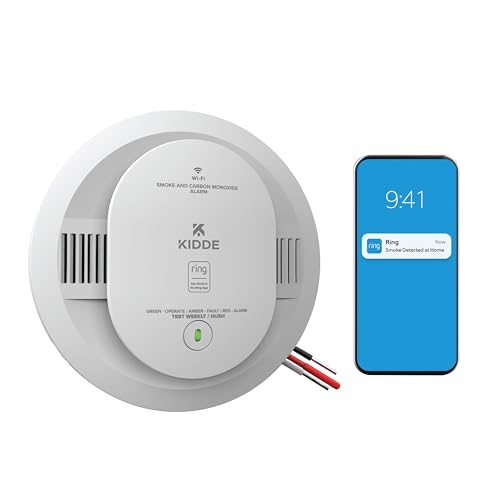
Kidde's Smart Smoke and Carbon Monoxide Detector with Indoor Air Quality Monitor stands out by bundling IAQ sensing with smoke and CO detection, giving homeowners broader environmental insights without buying separate devices. Positioned as a cost-efficient, widely available choice, it trades some high-end ecosystem integrations for comprehensive local sensing and simpler installation. For smart smoke detector buyers who value air-quality metrics and affordability, Kidde delivers a strong technical and financial balance.
X-Sense Smart Smoke Detector (XS01-WX)
X-Sense Smart Smoke Detector (XS01-WX) is the value-oriented pick that delivers reliable photoelectric detection, long battery life, and wireless interconnect at a lower price than the major ecosystem brands. While it lacks deep integrations with platforms like HomeKit or Google Home, it provides exceptional sensor performance and affordability for standalone smart smoke detector deployments. This makes it a compelling choice if you prioritize detection quality and low operating cost over full smart-home feature sets.

$49 – $79
Ring Alarm Smoke and CO Listener (2nd Generation)
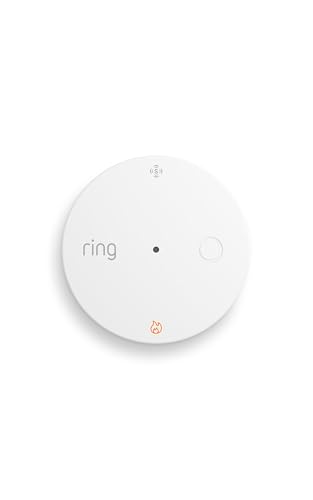
Ring Alarm Smoke and CO Listener (2nd Generation) is unique on this list because it is not a standalone detector but a cost-effective bridge that brings existing alarms into the Ring ecosystem. Its technical advantage is listening for alarm tones and triggering Ring alarms and notifications, avoiding the expense of replacing functioning detectors while enabling integrated smart alerts. For smart smoke detector projects centered on Ring, it is the most budget-friendly path to integrated monitoring.
First Alert Z-Wave Smoke Detector and CO Alarm (ZCOMBO-G)
First Alert Z-Wave Smoke Detector and CO Alarm (ZCOMBO-G) targets users invested in Z-Wave hubs by delivering certified Z-Wave connectivity for alarm reporting and automations. Although typically pricier than basic Wi‑Fi models, its technical advantage is two-way communication with Z-Wave controllers for central monitoring and automation sequences that Wi‑Fi-only units cannot match. In smart smoke detector setups requiring professional integration or hub-based logic, it offers the most seamless Z-Wave interoperability on the list.

Why Smart Smoke Detectors Matter: Research and Standards
A growing body of industry standards and public-safety research supports the benefits of modern smoke and carbon monoxide detection. National safety organizations and testing laboratories validate sensor performance and interoperability, while public health data highlight the life-saving potential of working alarms. For consumers, the strongest benefits come from more accurate multi-sensor detection, consistent maintenance via automatic self-tests, and remote notifications that shorten the time between hazard detection and human response.
National Fire Protection Association (NFPA) analysis shows that working smoke alarms substantially reduce the risk of dying in a home fire, and ensuring alarms are functional is a critical safety priority.
Underwriters Laboratories (UL) and similar test labs evaluate detector sensitivity and false-alarm resistance; smart devices that combine photoelectric and electrochemical sensors improve detection across slow- and fast-burning fires and carbon monoxide events.
Public health agencies, including the Centers for Disease Control and Prevention, emphasize carbon monoxide detection as an essential safety measure; integrated smoke/CO detectors reduce the need for multiple devices and simplify monitoring.
Peer-reviewed and industry reports indicate that remote mobile alerts and networked notifications can shorten detection-to-response times, helping homeowners and first responders act sooner.
Security and firmware update practices are important: independent security research recommends devices with regular over-the-air updates, secure communication, and clear privacy policies to protect connectivity benefits without adding risk.
Frequently Asked Questions
Which smart smoke detector should I buy for Google Home?
Google Nest Protect (2nd Generation) is the best pick for Google Home users because it adds split‑spectrum photoelectric sensing, built‑in carbon monoxide detection, and Wi‑Fi with Google Home integration; it has an average rating of 4.6.
Does First Alert Onelink SCO501CN detect smoke and CO?
Yes—First Alert Onelink Smart Smoke and Carbon Monoxide Alarm (SCO501CN) provides combination smoke and carbon monoxide detection with clear voice alerts, and it works with Apple HomeKit plus the Onelink app; average rating is 4.4.
Is Kidde Smart Smoke worth the price versus Nest Protect?
The provided info includes average ratings and features, but not any prices, so I can’t compare value or exact cost between Kidde Smart Smoke and Google Nest Protect; Kidde’s average rating is 4.2 with Wi‑Fi push notifications and VOC/humidity/temperature sensing.
Do these smart detectors include indoor air quality monitoring?
Kidde Smart Smoke and Carbon Monoxide Detector with Indoor Air Quality Monitor does, adding built‑in indoor air quality sensors for VOCs, humidity, and temperature alongside smoke and CO detection; average rating is 4.2, with Wi‑Fi push notifications and wireless interconnect.
Conclusion
Smart smoke detectors are now a core part of smart home safety in the USA. The models reviewed here cover a range of needs: Google Nest Protect (2nd Generation), First Alert Onelink Smart Smoke and Carbon Monoxide Alarm (SCO501CN), Kidde Smart Smoke and Carbon Monoxide Detector with Indoor Air Quality Monitor, X-Sense Smart Smoke Detector (XS01-WX), Ring Alarm Smoke and CO Listener (2nd Generation), and First Alert Z-Wave Smoke Detector and CO Alarm (ZCOMBO-G). For most households looking for the best balance of accuracy, smart features, and ecosystem integration, the Google Nest Protect (2nd Generation) stands out as the top choice. We hope you found what you were looking for — if you want to refine or expand your search, use the site search to filter by features, compatibility, price, or installation type.