

Lactic Acid Exfoliants: 2026 USA Category Guide (Top 5 Picks)
Published on Tuesday, January 27, 2026
Lactic acid exfoliants are gentler, water-attracting alpha hydroxy acid (AHA) formulations that brighten skin, smooth texture, and support hydration while encouraging cell turnover. In the USA market, consumers favor lactic acid products for their reputation as suitable options for sensitive and dry skin, their multi-benefit profiles when combined with humectants and barrier-supporting ingredients, and their alignment with trends like low-irritation daily exfoliation, clean-beauty transparency, and sustainable packaging. Buyers increasingly look for clinical backing, clear concentration and pH labeling, and formulations that pair lactic acid with soothing agents such as hyaluronic acid, niacinamide, and ceramides to minimize irritation and maintain barrier function.
Top Picks Summary
The Ordinary Lactic Acid 10% + HA
A clear budget leader for lactic acid exfoliation, The Ordinary Lactic Acid 10% + HA pairs a straightforward 10% lactic acid payload with hyaluronic acid for hydration, making it a go-to for cost-conscious users who want objective acid strength. Compared with the pricier, more ingredient-rich options on this list, it offers the best price-to-strength ratio and predictable performance for building a lactic-acid routine, though it omits the botanical actives and luxe formulation cues of premium rivals.

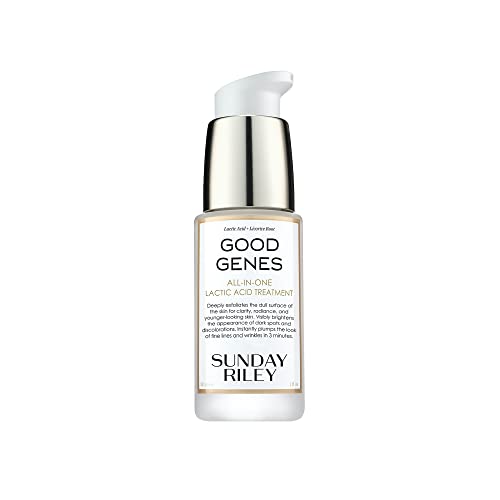
Sunday Riley Good Genes All-In-One Lactic Acid Treatment
Sunday Riley Good Genes is positioned as a premium, lactic-focused treatment that emphasizes visible brightening and resurfacing through purified lactic acid and complementary extracts, justifying its higher price with a refined formulation and strong consumer reputation. For the lactic acid exfoliants use case it stands out for targeting dullness and texture with a single-ingredient focus, offering a more polished experience than drugstore lactic options and a clearer lactic-acid identity compared with blended AHA formulas.
Drunk Elephant T.L.C. Framboos Glycolic Resurfacing Night Serum
T.L.C. Framboos is a technical, multi-acid resurfacing serum that blends glycolic, lactic and salicylic acids to deliver broader exfoliation and pore work than a straight lactic treatment; it’s aimed at users who want aggressive surface renewal in one product. Technically it offers complementary chemistries (AHAs + BHA) that can outperform single-acid lactic formulas on congestion and texture, but that versatility comes with a higher price and greater irritation risk for lactic-sensitive skin.

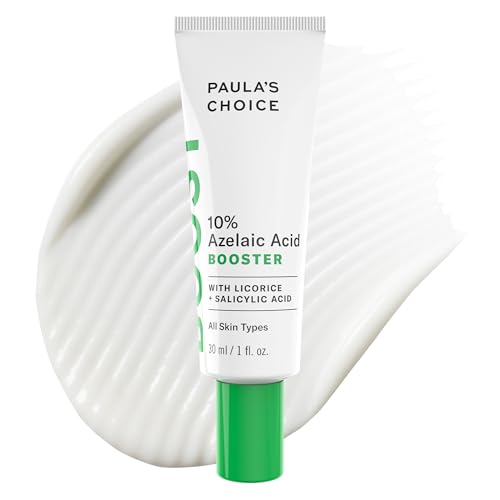
Paula's Choice 10% Azelaic Acid Booster
While not a lactic product, Paula's Choice 10% Azelaic Acid Booster is a strategic alternative for those seeking brightening and anti-inflammatory benefits alongside exfoliation, particularly useful for sensitive, redness-prone skin where lactic acid may irritate. Financially and technically it sits in the mid-range and can be paired with or substituted for lactic exfoliants to address hyperpigmentation and acne with lower exfoliative irritation, making it a valuable complement in a lactic-focused regimen.
Pixi Skintreats Glow Tonic
Pixi Glow Tonic is an accessible, widely distributed exfoliating toner that uses glycolic acid to deliver gentle daily resurfacing at a very affordable price point, making it a popular entry-level alternative when lactic products aren’t available. For users prioritizing cost and ease of use it competes favorably with lactic treatments on price and availability, though glycolic’s smaller molecular size provides different resurfacing characteristics and can be more sensitizing than equivalent lactic formulations.

What Research Says About Lactic Acid
Scientific research and dermatology literature support lactic acid as an effective AHA for improving skin texture, reducing mild hyperpigmentation, and promoting a brighter appearance. Unlike stronger AHAs that may cause higher irritation, lactic acid has humectant properties that help retain moisture, which can improve tolerability for many users. Studies and clinical experience emphasize that efficacy and safety depend on formulation factors such as concentration, pH, vehicle, and frequency of use. Users should start with lower concentrations and monitor tolerance, and always combine exfoliation with daily sun protection to reduce photosensitivity risk.
Keratolytic effect: Lactic acid promotes gentle removal of dead skin cells and increases cell turnover, improving texture and tone.
Humectant property: Lactic acid attracts and retains moisture, which can reduce the drying effects often associated with chemical exfoliation.
Clinical outcomes: Controlled studies and dermatologist reports show improvements in mild photodamage, uneven tone, and fine lines with regular use.
Formulation matters: Effective and tolerable products typically specify concentration and pH; many daily leave-on options range from 2% to 10% in consumer products.
Safety guidance: Start with low concentration, patch test, limit frequency if irritation occurs, and use broad spectrum sunscreen daily.
Complementary ingredients: Pairing lactic acid with soothing and barrier-supporting actives like niacinamide, ceramides, and hyaluronic acid improves tolerability and benefits.
Frequently Asked Questions
Which lactic exfoliant should I choose for sensitive skin?
The Ordinary Lactic Acid 10% + HA is a good pick for sensitive or cost-conscious users because it uses a 10% lactic acid formula plus hyaluronic acid and tasmanian pepperberry; it has a 4.3 average rating.
What exact lactic acid strength is in The Ordinary?
The Ordinary Lactic Acid 10% + HA contains 10% lactic acid and also includes hyaluronic acid for hydration, with tasmanian pepperberry aimed at reducing irritation.
Is Sunday Riley Good Genes worth the higher price?
Sunday Riley Good Genes All-In-One Lactic Acid Treatment costs $85.00 USD(15% off listed), and it’s rated 4.6; the formula is positioned as purified lactic acid for brightening, smoothing, and radiance-focused resurfacing.
How does Drunk Elephant T.L.C. Framboos differ from lactic-only?
Drunk Elephant T.L.C. Framboos Glycolic Night Serum isn’t straight lactic; it’s a multi-acid blend using glycolic, lactic, and BHA for resurfacing and pore unclogging, and it has a 4.4 average rating.
Conclusion
This 2026 USA category guide covers lactic acid exfoliants and the market trends shaping product choices. Currently, there are 0 top picks listed on this page; if you did not find what you were looking for, try refining or expanding your search using the site search or adjusting filters for concentration, skin type, or formulation preferences. We hope this guide helped you understand how lactic acid works and how to narrow your options.